
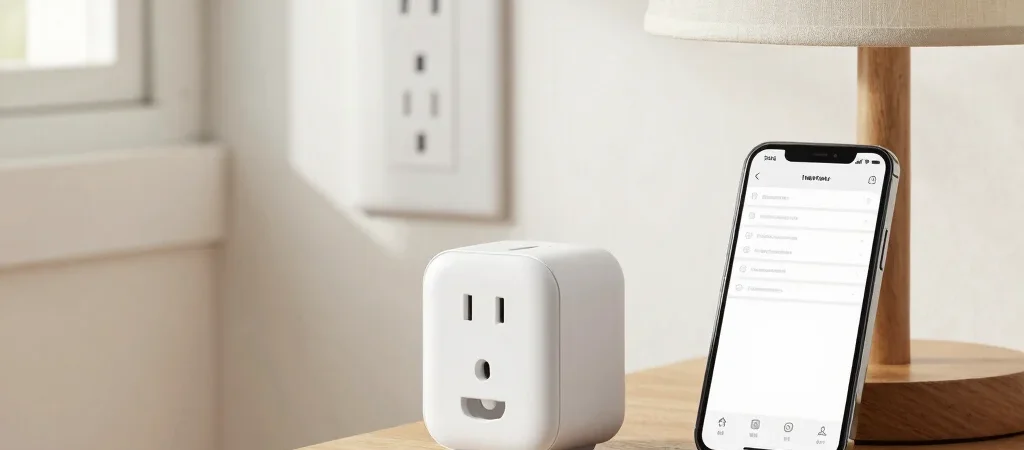
Disclosure: CuriosmartShop.com may earn a commission from qualifying purchases at no extra cost to you. We compare the details that affect everyday use, but smart-plug features, compatibility, and marketplace listings can change; check the current product page before buying. The right pick is less about a headline feature and more about whether it suits your outlet, appliance, and preferred control system.
Start with the appliance
Read the appliance label before shopping, then compare its electrical requirements with the plug’s current product specifications. Don’t assume a compact plug is suitable for a high-draw appliance, heater, or motorized device; use it only when the manufacturer says the intended load is supported. A smart plug is usually a better fit for a simple on-off task, such as scheduling a lamp or turning a small fan on and off.
Compare the details that matter
Check the plug’s dimensions against the outlet it will occupy, especially if you need to use the second receptacle or have a large adapter nearby. Then compare the required network, app, and voice-assistant compatibility with your setup; don’t assume every model works with every ecosystem. Energy monitoring, a physical control button, and scheduling are useful differences, but only when the current listing confirms them and you expect to use them.
Read reviews with context
A high rating can be useful context, but it does not tell you whether a plug fits your outlet or appliance. Review counts and ratings change, so verify them on the current retailer listing rather than relying on a guide to preserve a snapshot. Look for recurring comments about connection setup, app reliability, and physical fit, and weigh those against the manufacturer’s stated requirements.
A quick fit check
What should you check before buying a smart plug? Match its electrical rating to the appliance, confirm network and app compatibility, and make sure its shape will not block another outlet. For a basic lamp schedule, a simpler model may be enough; pay extra attention to energy monitoring or ecosystem features only if they solve a real need in your home.


